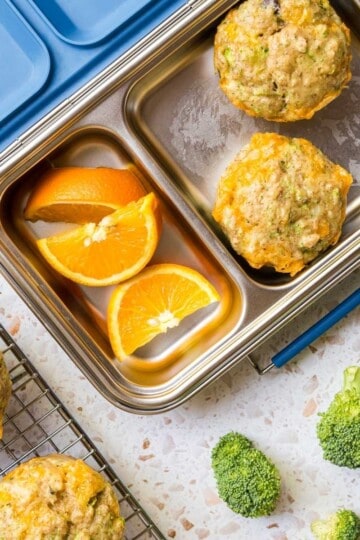
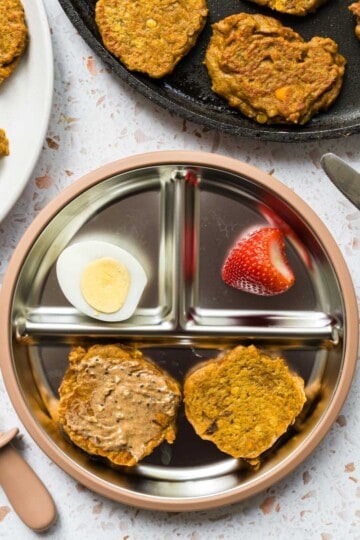
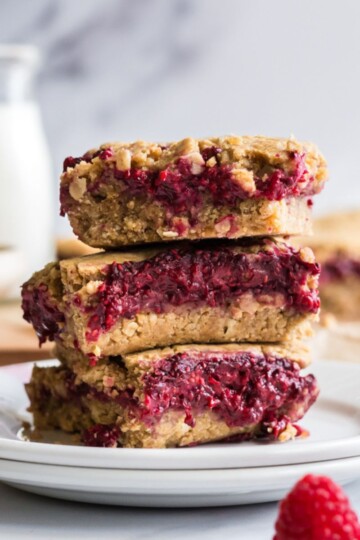
Baby Led Weaning Breakfast Ideas (6-9 months)
Wondering what to feed your baby for breakfast with BLW? These Registered Dietitian-approved ideas for 6-9 months are soft, nutrient-dense, and easy for tiny hands to grab.
This post may contain affiliate links.
Jump to:
- Bite-Sized Takeaways
- How to serve breakfast foods safely at 6-9 months
- Quick BLW breakfasts ready in 10 minutes
- Oat breakfasts with enough iron and fat
- Savoury and egg breakfasts for babies
- Freezer-friendly muffins without added sugar
- Pancakes and waffles babies can grip
- Smoothies for babies
- Baby Led Weaning Breakfast FAQs
Woo hoo! Your baby is old enough to start solids! And you've heard great things about this whole baby led weaning thing, where babies are encouraged to self-feed. So now what are you going to serve for breakfast?
Here's the problem with a lot of the baby led weaning breakfast ideas you'll find out there. They're the right size, shape, and texture, which handles the safety piece, but they often fall short on the nutrients babies actually need to grow and thrive, like iron.
Here at Happy Healthy Eaters, we're two Registered Dietitians and two moms, which means we've spent as many mornings scrambling to get something on a high chair tray as we have in the kitchen developing recipes. So we built these ones to maximize the nutrients that breakfast sometimes misses, and rounded them up here so you can make them on the fly or fill your freezer with them.
For decades, iron-fortified infant cereal was every parent's go-to, and for the record, we still think baby cereal is a great way to help meet baby's high iron needs. It's just not the only option!
Bite-Sized Takeaways
🍉 Baby breakfasts don't need to be boring or repetitive
🧠 Babies need key nutrients at most meals like iron, vitamin C and fat
🥞 When offering BLW recipes, foods should be safe for your baby to eat to prevent choking
🙌 There are tons of healthy BLW recipes developed by Dietitians at Happy Healthy Eaters
SUMMARIZE AND SAVE THIS CONTENT ON:
How to serve breakfast foods safely at 6-9 months
First, a quick word on serving these baby led weaning foods safely. Cameron and colleagues created a research trial to assess the safety of the baby led weaning method as compared to traditional purée spoon feeding with a gradual change in texture. What they found is that neither method had a higher incidence of choking! With a caveat - the study participants were provided instruction on how to serve foods in the right size, shape, and texture to make baby led weaning safe. So please follow these safety protocols!
The squish test
Foods should be soft enough to pass what we call the squish test. Simply place the food between your thumb and index finger and gently press. If it squishes or easily softens, it's likely soft enough for your baby's gums.
You can also use your own mouth as a guide! If you can easily squish the food with your tongue against the roof of your mouth, it's likely soft enough for your baby, too.
Here's a sample video from our e-course, Start Solids Confidently, where we teach you the A to Z (aka everything you need to know) about transitioning your baby to solid foods. Click to watch a visual demonstration of the squish test in action!
Size and shape: what a 6-9 month old can actually hold
When you're serving hand-held foods, think big enough for your baby to grab.
A good rule of thumb (literally!) is to offer pieces that are about the size and girth of your thumb, one finger, or two fingers placed together. This gives your baby something substantial to grasp with their whole hand as they're still developing their pincer grasp.
You may notice that some foods, like baby biscuits or biscotti, are firmer than the soft foods we typically recommend. That's okay! Some foods are designed to be easily dissolvable when they come into contact with saliva.
Gagging vs choking - know the difference
Simply put, gagging is generally a normal, healthy and protective reflex. Some babies gag often, while others don't. Choking on the other hand is a serious and potentially life threatening issue. It's when a food or object is lodged in your baby's airway. We've written a comprehensive blog post about all things choking and gagging to help keep you in the know.
What makes a breakfast nutritionally complete at this age?
At Happy Healthy Eaters, we're big fans of encouraging parents to gradually build up to serving a "balanced baby meal". Well, what does that mean? Let us explain. When serving breakfast to your baby, you'll want to prioritize a few key nutrients. You'll ask yourself:
- Does my baby have a source of iron?
- Does my baby have a source of vitamin C - this helps with iron absorption!
- Does my baby have a fat source?
These three nutrients, iron, vitamin C and fat help ensure you're offering a variety of nutrients but also foods!
Quick BLW breakfasts ready in 10 minutes
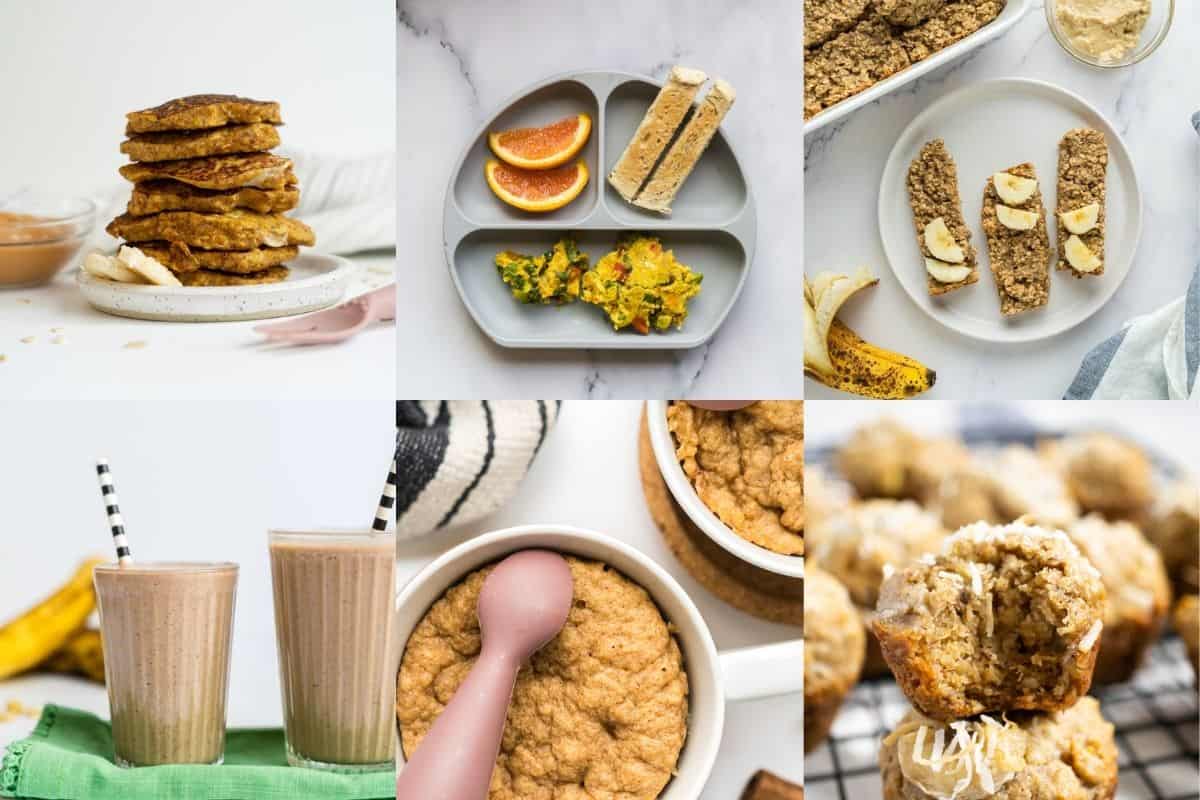
Any guesses why we started with the quick & easy baby breakfast ideas? Because we're both moms with lived experience. We KNOW that having a baby means you're short on time and need to be able to get nourishing food on that high chair tray stat! All these recipes can be prepped, and ready to feed your baby in 10 minutes or less.
Oat breakfasts with enough iron and fat
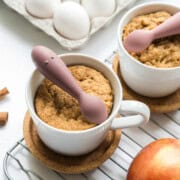
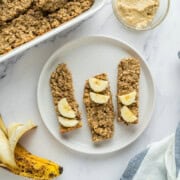
Oats are a classic breakfast option, but on their own don't offer the key nutrients that babies need between 6-12 months. But we've crafted the following baby oat recipes to include more iron, fat, and choline.
Savoury and egg breakfasts for babies
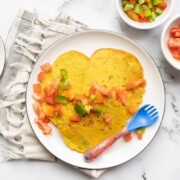
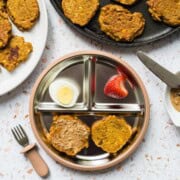
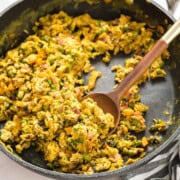
Breakfast doesn't have to be sweet! Not only are they a classic savoury option, eggs are super nutritious for babies, so we've rounded up five easy ways to prepare them for babies. But if you're a plant-based or vegan household, you'll want to check out these chickpea pancakes.
Freezer-friendly muffins without added sugar
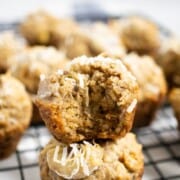
We love making a big batch of muffins and keeping them in the freezer to pull out and reheat for breakfast or snack. Most muffins contain added sugar (which should be avoided for babies), so we've created some naturally sweetened baby friendly recipes. In addition to the coconut baby banana muffins listed below we also have a recipe for sweet potato blueberry muffins in our ebook Whole Food Recipes For Your Baby.
Pancakes and waffles babies can grip
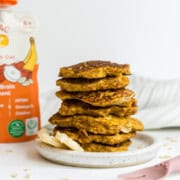
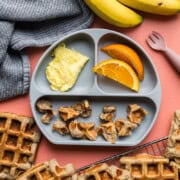
Pancakes and waffles are a great texture for baby led weaning. They're firm enough to pick up, but soft for babies to munch and chew with their gums. In addition to the recipes listed below, we also have recipes for Peanut Butter Chickpea Waffles and Banana Egg Pancakes in the Whole Food Recipes for Your Baby Ebook.
Smoothies for babies
Did you know that smoothies are a great food for babies? We know you have a lot of questions about how to serve smoothies to babies, what you can put in them, etc., so we wrote a whole QnA style blog post for you!
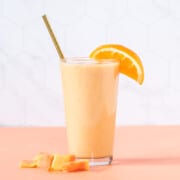
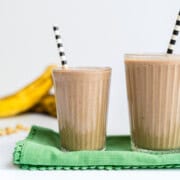
For more baby smoothie recipes, you'll love our no-sugar added recipes in our Smoothie and Pop for Your Happy Healthy Eater e-book!
Baby Led Weaning Breakfast FAQs
At 6 months, your baby is likely very new to solids. Breakfast can truly be anything - in fact, what parents offer babies around the world varies greatly. We recommended offering your baby something that contains iron. Some examples include lentils, beans, meat, fish, fortified baby cereal, and eggs.
Yes! In fact, the latest guidelines suggest offering eggs right around the same time you start solids. Since eggs are a top priority allergen, it's important to offer them early and often. Here are five more ways to offer your baby eggs.
Yes, while it's recommended to wait until a year before offering your baby cow's milk to drink, babies can have yogurt and cheese before 12 months. It's important however to keep in mind that dairy foods do not offer your baby iron. In fact, they are rich in calcium which can inhibit iron absorption. It's important to prioritize iron rich foods first! For more on how we recommend approaching dairy, visit our e-course Start Solids Confidently - we've got a dedicated lesson to this topic.
Slice lightly toasted bread into strips about the size of two fingers! You can remove the crust if it's really hard. And if you're wondering what to look for in a bread, we've got all that information here!
This is a tricky question to answer because every baby will eat a different volume of food when it comes to solids. The key is to remain responsive to your baby and watch for their signs of hunger and fullness.
If you need a ball park estimate, initially even a few teaspoons of food is plenty. And over time as your baby drinks less milk and has more solids, about a ¼ cup of food per meal is expected.
Yes, indeed! Many of our readers love that a ton of our recipes are freezer friendly. This makes mornings much more relaxed and predictable. Here are a few recipes you can consider freezing: spiced lentil fritters, tahini porridge fingers and these coconut banana muffins.